


Water damage at home caused by typhoons or rainstorms: Does home insurance cover It?
Published on: 05 Nov 2026
Updated on: 05 Nov 2026
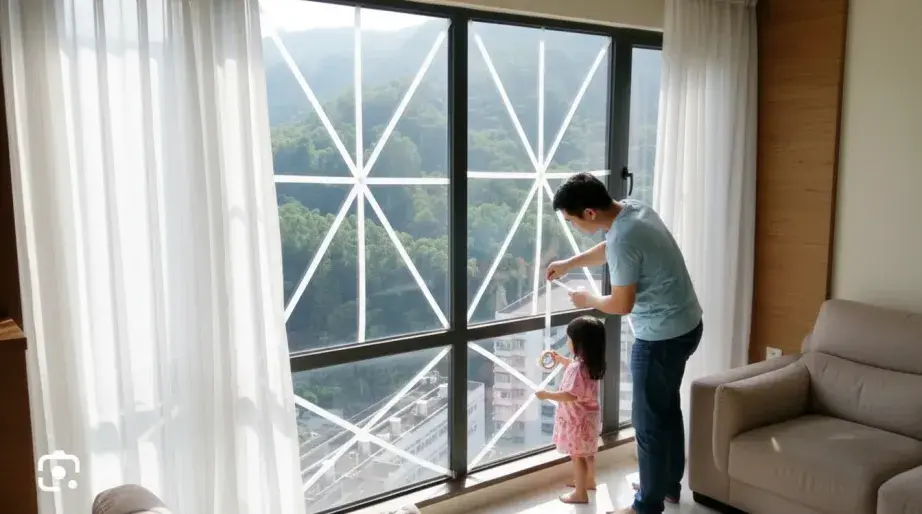
After a typhoon or black rainstorm, water seepage around windows, rainwater ingress, burst pipes or indoor flooding can damage wooden flooring, furniture and electrical appliances. A common question is: “Does home insurance always cover water damage?”
The answer is not necessarily Yes. Whether a claim is covered generally depends on factors such as whether the incident was sudden and accidental, whether the damage involves home contents or the building structure, and whether the water leakage resulted from wear and tear, as well as the applicable policy limits and excesses.
MSIG iHome Insurance provides coverage for water leakage, window glass damage during a typhoon and personal liability. However, any claim remains subject to the cause of the incident, the property damaged and the terms and conditions of the policy. Below, we take a closer look at the common causes of water damage, the applicable coverage and the documents you should prepare when making a claim.
How do typhoons and rainstorms cause water seepage or flooding at home?
1. Water seepage around windows or external walls
Strong winds can drive rainwater against window frames, air-conditioning platforms or joints in external walls. If a windowpane suddenly breaks and rainwater enters your home, damaging your belongings, the loss may be associated with a sudden weather-related event.
However, if the waterproof seal around a window has already deteriorated, or cracks in an external wall have been causing water seepage over a long period, a typhoon may simply worsen an existing problem. In such cases, wear and tear or inadequate maintenance may be involved.
2. Burst pipes or water leakage
A sudden crack in a water supply pipe, drainage pipe or pipe connection can cause water damage to flooring, walls, furniture and electrical appliances.
When making a claim, it is important to distinguish between property damaged by the water leakage and the pipe that caused the incident. The former may constitute an insured loss, while the cost of repairing or replacing a pipe affected by corrosion, natural ageing or inadequate maintenance may not be covered.
3. Rainwater ingress or indoor flooding
Blocked balcony drains, inadequate rooftop drainage, water entering low-lying areas or leakage from an upstairs unit may all result in indoor flooding.
When assessing a claim, insurers generally consider information such as the source of the water, timing of the incident, weather warnings, maintenance records and the extent of the damage to determine whether it resulted from a sudden incident, a building structural issue, a shared responsibility covering a common-area or long-term water seepage.
Understanding home insurance coverage: 4 common scenarios
1. Window glass is broken by a typhoon and rainwater damages home contents
Subject to the policy terms and conditions, losses arising from this type of incident may be covered. MSIG iHome Insurance provides coverage of up to HK$10,000 per year for window glass damage during a typhoon. Home contents coverage may also cover eligible damage to wall or floor finishes, televisions, audio equipment and other insured contents.
As these benefits may be subject to different coverage limits and excesses, repairs to broken window glass and water damage to home contents should not be regarded as the same type of coverage.
2. A burst pipe causes flooding in your home
If the water damage results from a sudden and accidental event, damage to furniture, electrical appliances or home improvements may be covered.
However, repairing ageing pipes, failed waterproofing or pre-existing defects are be considered part of normal maintenance. When making a claim, you should ask a qualified technician to specify the location of the burst pipe, cause of the incident and extent of the damage in their report. This helps the insurer distinguish between damage caused by the incident and repairs to the source of the problem.
3. Water leakage from your home damages a neighbour’s property or common facilities
If leaking water causes damage to the ceiling or furniture of a downstairs neighbour, or even a building lift, and you are legally liable for the damage, Personal Liability coverage may apply. MSIG iHome Insurance provides Personal Liability coverage of up to HK$8 million per year where the insured person, family members or domestic helpers are legally liable for third-party bodily injury or property damage arising from negligence.
Following an incident, avoid admitting liability or agreeing to compensation privately. Instead, submit any building management reports, claims correspondence or legal letters to MSIG as soon as possible.
4. Severe flooding makes your home temporarily uninhabitable
If an insured event makes your home uninhabitable, MSIG iHome Insurance provides temporary accommodation/loss of rent coverage of up to HK$50,000 per year, including temporary accommodation of up to HK$1,500 per day. Temporary boarding for pets is covered up to HK$3,000 per day, while the cost of removing damaged household items is covered up to HK$10,000 per year. Whether your home meets the criteria for being uninhabitable, and the number of days that may be claimed, will be assessed based on the extent of the damage as well as your supporting documents.
Why typhoon-related water damage might not always be covered
Home insurance is primarily designed to protect against sudden and unforeseen losses. It is not a home maintenance or repair contract. Common exclusions may include pre-existing damage, wear and tear, and inadequate maintenance. Coverage may also be affected if a home has been continuously unoccupied for more than 30 days, has been subject to unauthorised building works or is used for certain ineligible purposes.
For example, a claim may be more difficult where a window seal has deteriorated over time, an external wall has a history of unresolved leakage, pipes have suffered years of corrosion, drains have been persistently blocked, or water stains were already present before the policy was taken out. Even when damage occurs during a typhoon, it does not necessarily mean that all resulting losses are automatically covered. The key consideration is not simply whether a typhoon was occurring at the time, but whether the severe weather directly caused a new insured event.
Don’t overlook the excess for water damage claims
An excess is the portion of each claim that the insured person is responsible for paying. For water damage to home contents in multi-storey buildings, the excess increases according to the age of the building:
- 30 years old or below: HK$1,000 or 5% of the claim amount, whichever is higher.
- 31–40 years old: HK$3,000 or 10%, whichever is higher.
- 41–50 years old: HK$5,000 or 20%, whichever is higher.
- 51–55 years old: HK$10,000 or 20%, whichever is higher.
- Older than 55 years: considered on a case-by-case basis.
When taking out or renewing your home insurance, it is therefore important to look beyond the maximum coverage limit and consider the actual amount payable after the applicable excess has been deducted.
What should you do immediately after flooding or water leakage?
- Put safety first. Stay away from electrical appliances that have come into contact with water. If it is safe to do so, switch off the electricity supply or main water supply. If there is a risk of electric shock, structural damage or severe flooding, contact the Fire Services Department, building management office or relevant emergency services first.
- Prevent further damage. Where safe and practicable, use towels, plastic sheeting or containers to temporarily stop or collect water, and move portable belongings to a dry or elevated area. Never put yourself at risk by approaching windows during strong winds.
- Take photos and videos. Record the source of the leakage, affected windows or pipes, depth of any standing water and extent of water staining. Record the brand, model and serial number of each damaged item, and retain information on the weather warnings in force that day.
- Notify MSIG and your building management office promptly. MSIG requires the claim form to be submitted within 30 days of the incident. Even if you do not yet have all the supporting documents, submit the claim notification first and provide additional documents as requested by the claims handler.
- Check before making repairs or disposing of damaged items. If emergency repairs are necessary to prevent further damage, seek guidance from the insurer where possible and retain the damaged parts and all relevant receipts. If damaged items have to be disposed of for hygiene or safety reasons, take comprehensive photographs and records beforehand.
Documents to prepare for a water damage claim
- Policy number and the insured person’s contact details.
- Date, time and location of the incident, together with a detailed account of what happened.
- Photos and videos of the scene, weather-warning information and records showing the extent of the flooding.
- A list of damaged items, purchase receipts, warranties or other proof of value.
- Inspection reports from qualified technicians, repair quotations and receipts for emergency work.
- Incident reports from building management and inspection records for common pipes or external walls.
- Receipts for temporary accommodation, clean-up costs or pet boarding, where applicable.
- Third-party claim letters, legal correspondence or other relevant communications, where applicable.
3 things to do before typhoon season
Before typhoon season, regularly inspect your window frames, waterproof seals and pipes. Keep the drains on your balcony, rooftop and other locations clear, and move electrical appliances and important documents away from windows and low-lying areas. Insurance should also be arranged before a risk becomes a known event, rather than waiting until a storm is approaching Hong Kong.
It is good practice to review your home contents, building coverage, third-party liability protection and water damage excess before typhoon season to ensure your insurance remains appropriate for the age of your building and your actual needs.
Ultimately, whether home insurance can protect you during a typhoon or rainstorm depends on the cause of the incident, supporting evidence and policy terms. If your home experiences water seepage or flooding during a typhoon, put safety first, take reasonable steps to minimise further damage, retain comprehensive evidence and notify MSIG as soon as possible. Individual benefits and the final claim settlement are subject to the terms and conditions of the MSIG policy and claims assessment.
Frequently Asked Questions
Does MSIG iHome Insurance cover window glass damaged during a typhoon?
MSIG iHome Insurance provides coverage of up to HK$10,000 per year for window glass damage during a typhoon, as well as damage to home contents resulting from the broken window glass.
Actual compensation remains subject to the circumstances of the incident, applicable coverage limits, excesses and the terms and conditions of the policy.
Does home insurance cover the cost of replacing a burst pipe?
Furniture, electrical appliances or home improvements damaged as a result of a sudden burst pipe may be covered. However, if the pipe itself needs to be replaced because of ageing, corrosion or inadequate maintenance, the associated repair costs may not be covered. This will be assessed based on the technician’s report and applicable policy terms.
Are a typhoon-damaged window and water-damaged home contents covered under the same benefit?
Not necessarily. Window glass, home contents and the building structure fall under different types of coverage and may be subject to different limits and excesses. MSIG iHome Insurance also offers optional building coverage, so it is important to check the coverage selected under your policy.
What is considered part of the building structure, and what does MSIG iHome Insurance’s building coverage include?
The building structure refers to structural parts of the home, including floors, walls, ceilings, doors and windows, together with subsequent renovation works.
Building coverage under MSIG iHome Insurance is optional, with the maximum compensation being subject to the selected sum insured. Coverage also includes temporary accommodation/loss of rent where an insured incident makes the home uninhabitable, debris removal costs, as well as landslip and subsidence coverage. Actual coverage and compensation remain subject to the terms and conditions of the policy.
Does home insurance cover water leakage that damages the unit below?
Personal Liability coverage may apply if the insured person is legally liable for third-party bodily injury or property damage. Do not admit liability or make a private settlement following an incident. Submit the building management report and any relevant claim documents to the insurer as soon as possible.
Do I need to collect all supporting documents before submitting a water damage claim?
No. MSIG requires the claim form to be submitted within 30 days of the incident. Even if some documents are not yet available, you should first notify MSIG of the claim and provide the remaining documents as instructed by the claims handler. The claim number should be quoted whenever additional documents are submitted.
Can tenants take out MSIG iHome Insurance?
Yes. You do not have to own the property to protect your home contents. Home insurance can also provide legal liability protection for you and family members living with you. Eligibility and the actual scope of coverage remain subject to the information provided during your application and the terms and conditions of the policy.