

How to choose the best travel insurance: four key considerations beyond price | Hassle-free medical treatment while overseas
Published on: 18 Dec 2025
Updated on: 22 Sep 2026

The last thing anyone wants while on holiday is to fall ill or get injured. Being in an unfamiliar place and grappling with language barriers can be a real challenge if you’re in need of medical treatment while overseas. And if you’re trying to get home, you might spend hours waiting at the airport, only to find your flight is then cancelled. To travel with peace of mind, it’s essential to choose the right travel insurance before your holiday and select a comprehensive policy that covers unexpected events if things don’t go according to plan. This guide outlines four key factors to consider when comparing travel insurance plans and includes some frequently asked questions.
How to choose the best travel insurance: four key considerations
When deciding which travel insurance to take out, price is not the only factor to consider. A comprehensive plan should provide comprehensive coverage across the following four areas.
(1) Medical and emergency assistance coverage: pay attention to policy limits
Medical coverage is one of the main components of travel insurance. According to a 2025 study by the Hong Kong Consumer Council, even among plans with similar premiums, the maximum payout for adult medical expenses can differ by as much as 100%, and the scope of coverage can also vary significantly. Therefore, when comparing insurance policies, in addition to the total claim limit, you should also consider the following key points:
- Follow-up treatment after returning home: A serious accident often requires follow-up treatment once you get back. Therefore, a good policy should clearly state that it covers follow-up treatment expenses within a specific period (e.g., 90 days), and you should also check the coverage limit.
- Cash payment for hospitalisation: This component of the policy covers additional costs that arise from being hospitalised while you’re overseas. In addition to comparing the maximum payout, you should also pay attention to the daily limit. According to a study by the Hong Kong Consumer Council, while many policies include a cash payment for hospitalisation, payout limits can vary widely. For adults, maximum pay-outs range from HK$2,000 to HK$12,000, with daily limits ranging from HK$200 to HK$500 – equating to approximately 4 to 50 days of coverage.
- Additional protection (e.g., emergency dental care): Comprehensive policies typically include additional coverage, such as for emergency dental treatment.
MSIG’s iTravel Go (single trip) covers medical expenses of up to HK$2,000,000, including emergency dental treatment and follow-up medical treatment after returning Hong Kong within 90 days, of up to HK$200,000. The plan’s 24-hour worldwide travel emergency assistance service offers up to HK$40,000 deposit guarantee for hospital admission and can help arrange emergency medical transport and other services.
(2) Travel cancellation/delay protection: coverage for unforeseen incidents and unexpected disruptions
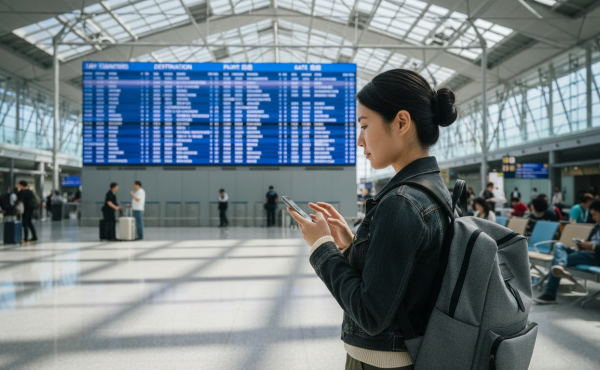
Travel delays or cancellations caused by bad weather, strikes or airlines are among the most common problems faced by travellers. In recent years, rumours of earthquake have also made people hesitant to travel. When comparing policies, pay attention to whether the insurer offers flexible cancellation coverage and how it defines “delay” (such as how many hours your journey is delayed), and whether or not the policy includes a broad range of unexpected disruptions.
To address the increasingly complex risks associated with travel, MSIG’s travel insurance also includes a range of convenient benefits, such as:
- More flexible trip cancellation and curtailment coverage: For example, our policy provides coverage of cancellation of journey for any reasons, find an alternative travel companion due to unforeseen circumstances, as well as coverage if your travel agency goes bankrupt.
- More comprehensive rebooking coverage: This benefit covers flight diversions, overbooked flights or missed connecting journeys.
- Complimentary lounge access for flight delays: If your flight is delayed, we offer complimentary access to airport lounges through our MSIG Easy Lounge service.
(3) Personal belongings and cash coverage: are your phone and laptop insured?
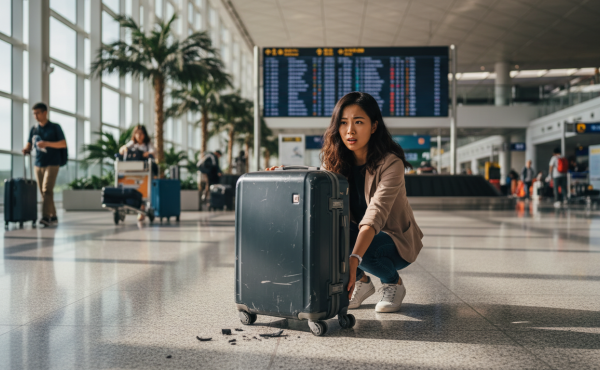
Lost or damaged luggage is one of the most common travel insurance claims. When comparing travel insurance policies, it’s important to look beyond the total compensation limit and check the claim limit for individual items, especially for valuable electronics such as mobile phones, cameras and laptops.
- MSIG’s iTravel Go (single trip) covers baggage and personal belongings of up to HK$20,000, including lost or damaged mobile phones (up to HK$3,000). A cash allowance is provided for baggage delayed by more than 6 hours.
(4) Personal liability and activity coverage: are skiing and scuba diving excluded?
Causing injury to others or damage to property while abroad could leave you liable to large financial claims, meaning personal liability coverage is essential. In addition, if you plan to do activities such as skiing or scuba diving, be sure to check whether they are covered under the policy terms.
Tip: check the T&Cs for high-risk activities
According to advice from the Hong Kong Consumer Council, if you plan to take part in high-risk activities while on holiday (such as skiing, hot-air ballooning or scuba diving), you should check with your insurance company to confirm whether these activities are covered in the event of an accident.
For example, you should check whether there are depth limits for scuba diving (MSIG covers dives of up to 30 metres), or whether skiing is only covered on specific slopes. Getting to grips with these limitations can help prevent unnecessary disputes if you run into trouble.
How to seek medical assistance overseas
Should you unexpectedly fall ill or get injured while overseas, there’s no need to panic. If you require medical assistance overseas, simply follow the steps below.
Step 1: pre-departure checklist
Save an electronic copy of your insurance policy on your phone, and note down your 24-hour assistance hotline, policy number and personal information in a visible place so your travel companions or medical personnel can contact your insurance company in case of an emergency.
Step 2: seeking medical assistance during your trip
If you experience a serious illness or injury that requires an in-person consultation or hospitalisation, you should contact the insurance company’s 24-hour emergency hotline as soon as possible. This will allow you to activate the services included in your policy, such as arranging a hospital admission deposit or emergency medical evacuation. By reaching out to your insurer right away, you ensure that they can follow up on your case from start to finish. Keep in mind that in some countries where medical expenses are high, hospitals may require patients to pay a deposit before they are admitted for treatment, which makes using the assistance hotline especially important.
Step 3: follow-up treatment after returning home
Keep all original medical documents in a safe place. If you require follow-up treatment, your travel insurance policy may provide coverage for related treatment within a specified period after you return home. Remember that all claims must be based on the diagnosis report from your overseas consultation.
MSIG overseas video consultations
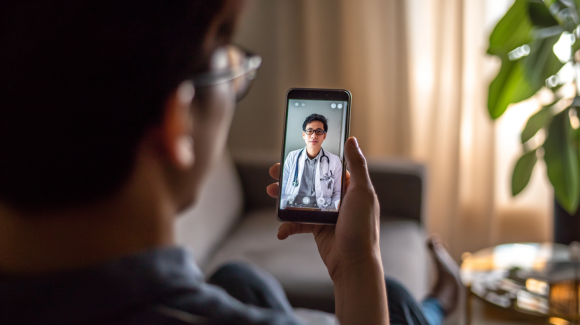
If you’re concerned about language barriers and would like to consult a doctor in Hong Kong, MSIG Travel Insurance provides an overseas video consultation service, which offers a convenient alternative to visiting a local doctor. This allows you to obtain professional medical advice without the need to visit a clinic.
- You will receive a redemption code from MSIG upon successful applying for the MSIG Travel Insurance policy.
- Download the DrGo app and register as a DrGo user in Hong Kong before departure.
- Redeem the “Overseas Plan” along with the designated redemption code to use the free overseas medical teleconsultation service.
- If you feel unwell during your trip, you can use the DrGo to schedule a medical teleconsultation with a designated local registered doctor and a designated Hong Kong-registered doctor.
- The designated local registered doctor at the overseas location may prescribe necessary and appropriate medications and/or issue medical certificates based on the doctor’s professional judgment. (Prescribed medications and delivery of prescribed medications and/or medical certificates are subject to additional charges. Please pay upfront and later submit an insurance claim to MSIG)
Overseas medical guide – Japan
Suppose you sprain your ankle while skiing in Japan. Here is what you would need to do:
- Call your insurer’s 24-hour assistance hotline: Contact the hotline immediately and provide your location (for example, a ski resort in Hokkaido), details of your injury and your policy number.
- Follow your insurer’s instructions: The support team will assess your situation and direct or refer you to the nearest suitable clinic or hospital. If you don’t speak the local language, the support team can also provide an over-the-phone translation service.
- Receive treatment: Once you arrive at the designated medical facility, follow the insurer’s instructions to receive treatment. If you need to be hospitalised, the support team will help arrange the hospital admission deposit.
- Obtain documents: Before leaving the clinic or hospital, remember to ask for the medical report and original receipts from the doctor.
Medical advice for popular travel destinations
Thailand/Southeast Asia: Large cities typically have private hospitals that meet international standards. However, if you’re heading to a remote island, medical facilities might be fairly basic, meaning coverage for emergency medical evacuation is especially important in the event of a serious illness or injury.
Europe/North America: Medical expenses are very high – a single emergency room visit can easily cost several thousand Hong Kong dollars, or even more. Never seek medical treatment without insurance coverage or contacting the assistance hotline first.
Australia/New Zealand: Healthcare is of a very high standard, but can also be expensive. Ambulance services are chargeable and may not be covered under basic medical insurance, so be sure to check your policy details.
Document list when filing a travel insurance claim
To ensure a smooth claims application process you should prepare the following documents, depending on the situation:
| Claim item | Document needed | Points to note |
| Medical expense | Original medical report and receipt. | Receipt listing patient’s name, diagnosis and expense details. |
| Lost/ damaged baggage | Report or receipt issued by the airline or the police. | Photos of the damaged baggage or item. |
| Travel delay | The airline’s document (stating the reason for and duration of the delay). | Boarding pass or copy of your air ticket. |
| Trip cancellation | Written confirmation from the attending doctor to certify the issue, or paid receipt. | Hotel or airline’s document to certify the amount of non-refundable deposit. |
Travel insurance FAQs
- When should I purchase travel insurance? Can I buy it on the day of departure?
You must purchase travel insurance before leaving Hong Kong. It’s best to take out a policy as soon as you’ve confirmed your itinerary and paid for your flights and accommodation. Most travel insurance plans include trip cancellation coverage, which reimburses you for any non-refundable expenses you’ve already paid if you have to cancel your trip before departure for a covered reason. MSIG iTravel Go Travel Insurance can be purchased up to 360 days before departure.
- After returning home, I realised that I left something behind in a hotel. Can I still make a claim?
In general, personal belongings coverage protects against accidental damage and loss due to theft, robbery or similar incidents. Simply leaving or forgetting an item is not typically covered. For more information, check the terms of your policy.
- Does travel insurance cover high-risk activities such as skiing or scuba diving?
It depends on the policy. For example, MSIG iTravel Go (single trip cover) automatically covers a range of amateur dangerous sports and activities, such as hot-air ballooning, scuba diving, skiing and marathons, at no additional cost.
- What compensation am I entitled to if my trip is delayed due to bad weather?
If your trip is delayed by at least the minimum number of hours stated in your policy (for example, 5 hours with MSIG’s Travel Insurance), you are entitled to a fixed cash sum. If the delay results in additional accommodation or transportation expenses, you can also claim reimbursements by submitting the relevant receipts.
The product information provided above is for reference only. For details on coverage and policy terms, please refer to your insurance policy.