


Biodiversity -- the key to environmental conservation
Experts believe the death of hundreds of millions of bees around the world recently could be a result of the reintroduction of chemical fertilizers and pesticides in some countries. Given that at least a third of global food supply depends on pollination by bees, the decimation of bee populations has a direct impact on agricultural yield and food supply. This shows why environmental conservation goes well beyond reducing plastics and carbon emissions. For the continued survival of humanity, conservation must also address biodiversity.
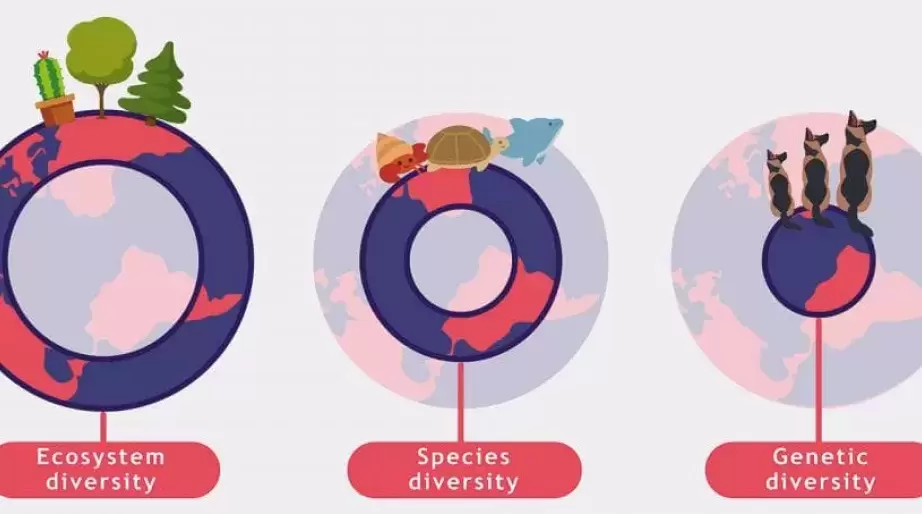
Biodiversity essentially involves three dimensions. Even the lowest level, namely genetic diversity, requires conservation. Among individuals of any given species, there are small differences in their DNA. When environmental conditions change, not all DNA combinations can effectively adapt to avoid the fate of extinction. That is why a higher degree of genetic variety is crucial for sustainability.
In a biodiverse world, microorganisms are no less significant than human beings. This idea of species diversity is precisely the second dimension of biodiversity, where every species plays a part -- from microorganisms in the soil to complex organisms like humans. Regardless of the drastic differences between microorganisms and humans, there are surprisingly close and complex interrelations, together promoting the recycling of nutrients, oxygen and water resources. It would be a mistake to underestimate the role of any one species. There has even been research suggesting that the economic value of microorganisms amounts to tens of billions*!
The third dimension of biodiversity is ecosystem diversity, which refers to the number of different populations of organisms within a specified area and the natural environment within which these populations interact. Ecological systems include forests, oceans and even cities. These environments differ in factors such as soil density and water acidity, which together support different types of biological populations.
We must treasure all these dimensions that make up the planet's biodiversity, which help shape and change the environment. For instance, the Amazon rainforest produces 20% of the planet’s oxygen. Recent large scale fires in the Amazon not only destroyed plant and animal life, they can potentially worsen the greenhouse effect and speed up global warming, the melting of glaciers and the rise in seawater levels. This can all threaten the habitats of animals, plants and humans.
Biological species, each playing a unique function, weave together a complex network of relationships that affect food and water supply, as well as societal development. In sum, sustainable development depends on conserving the richness and balance of biodiversity.
If you have any queries regarding different insurance plans, please feel free to contact us  or find out more about our insurance plans:
Learn more about EASY Claims and file your claims online anytime, anywhere.